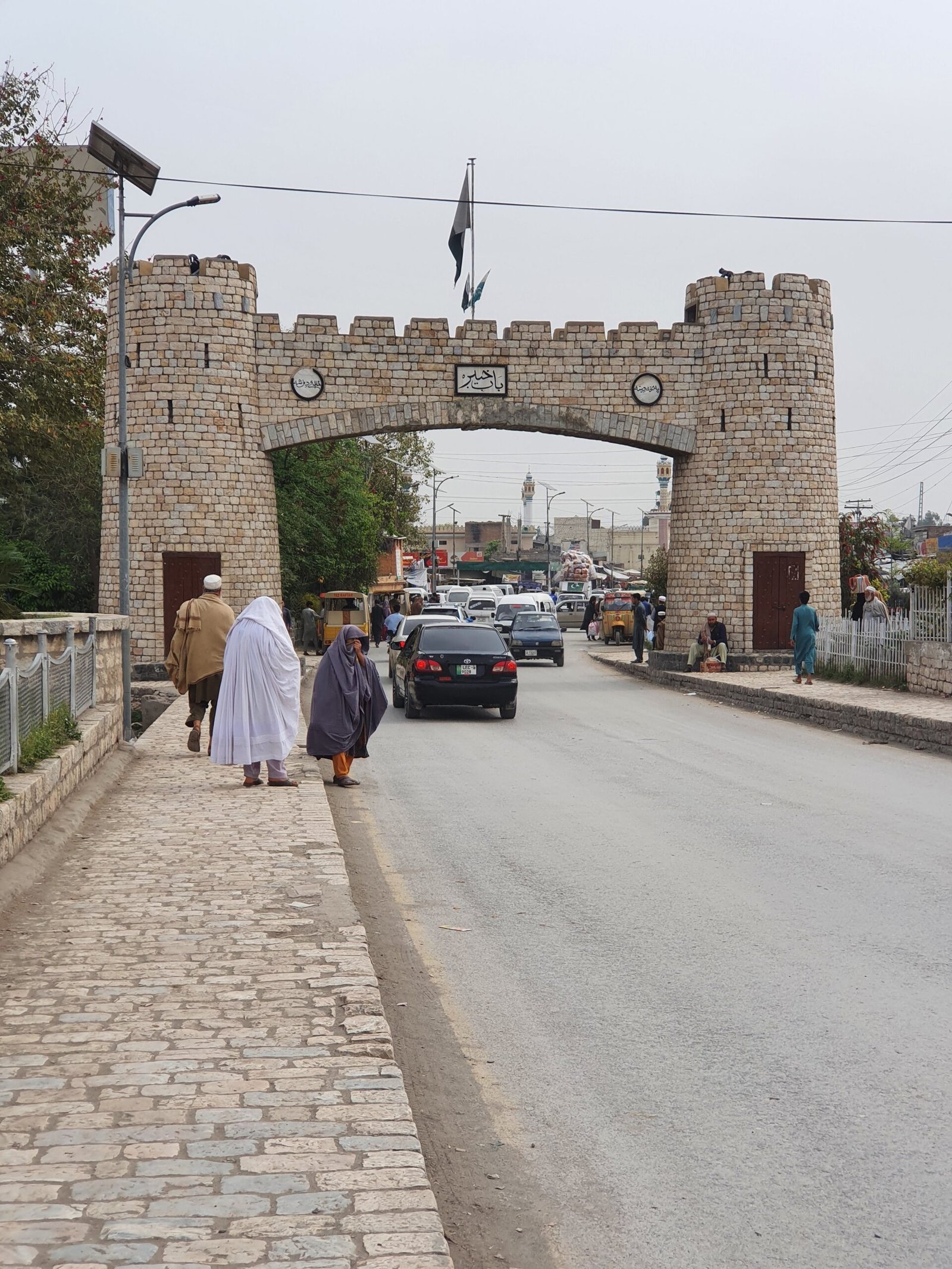
Discover the historic city of Peshawar, one of the oldest continuously inhabited cities in South Asia, on a full-day cultural and heritage tour. This experience combines the city’s ancient Gandhara Buddhist heritage, traditional Pashtun culture, historic bazaars, Mughal-era architecture and colonial landmarks.
The tour takes visitors through the atmospheric streets of the old city, the beautifully preserved homes of Sethi Mohalla, the iconic Cunningham Clock Tower, Peshawar Museum and the University of Peshawar. Along the way, travelers can explore historic mosques, traditional markets, local handicrafts and the famous food culture of Khyber Pakhtunkhwa.
Designed for international visitors, history enthusiasts, photographers and cultural travelers, this itinerary offers a deeper understanding of Peshawar’s role as a historic crossroads connecting Central Asia, South Asia and the ancient Silk Road trading networks.
Best time to visit: October to March generally offers more comfortable walking conditions.
Local customs: Modest clothing and respectful behavior are recommended.
Photography: Seek permission before photographing individuals or sensitive premises.
Security and access: Local restrictions and security arrangements can affect the itinerary. Visits should proceed only after current conditions and access have been checked.
Food preferences: Inform Karakorum Adventures about dietary requirements before departure.
Peshawar
Duration: 30–40 minutes
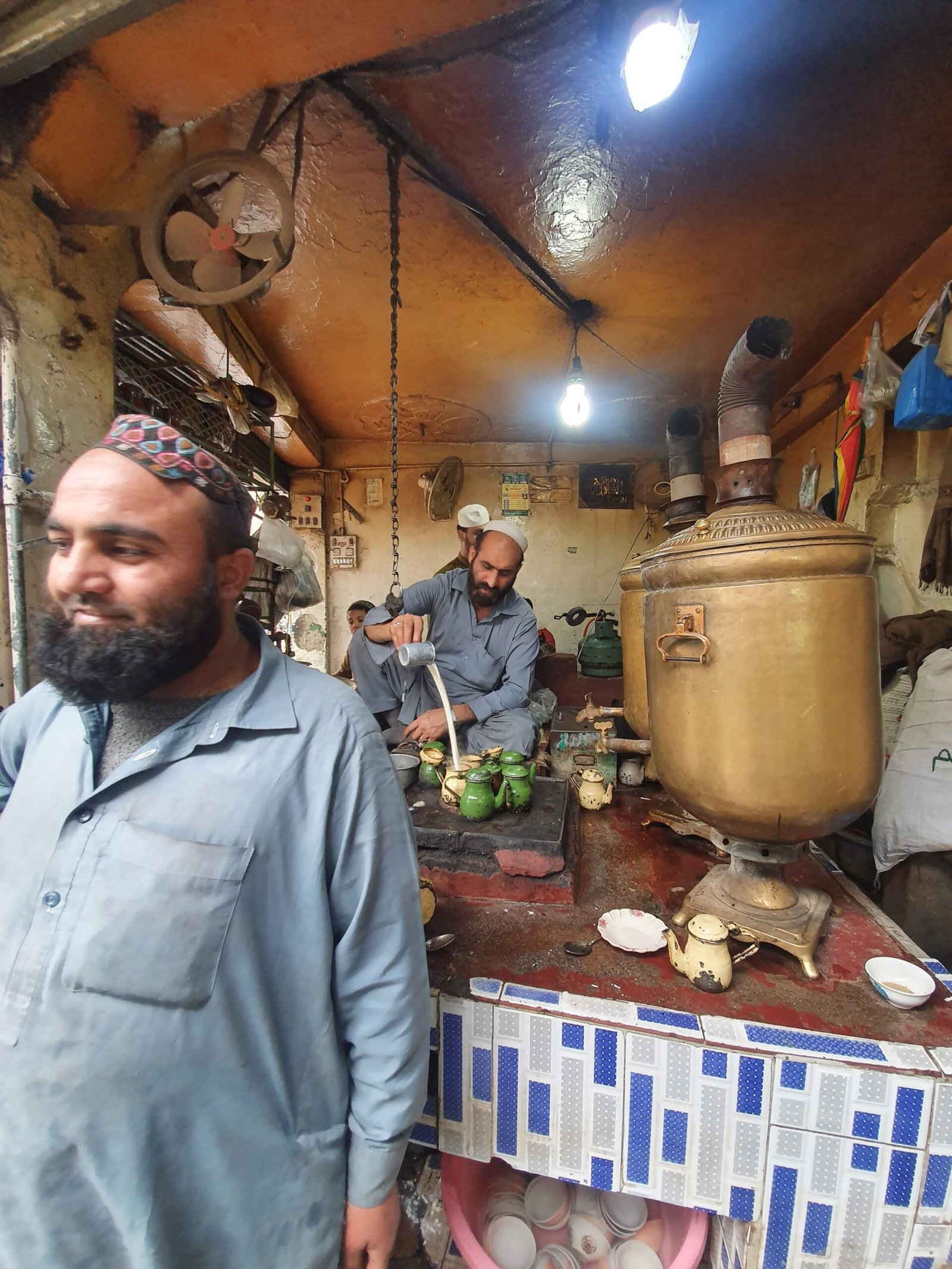
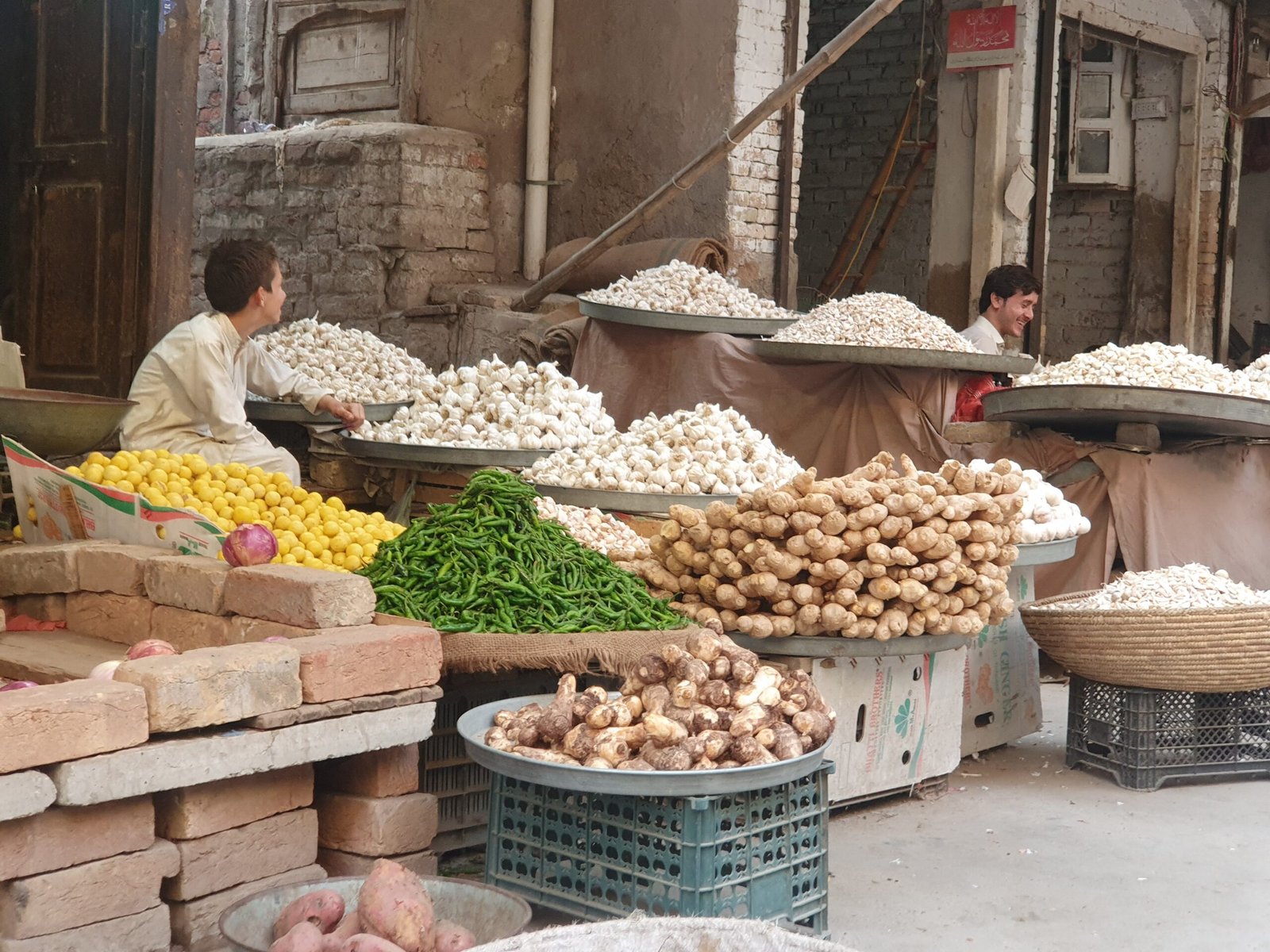
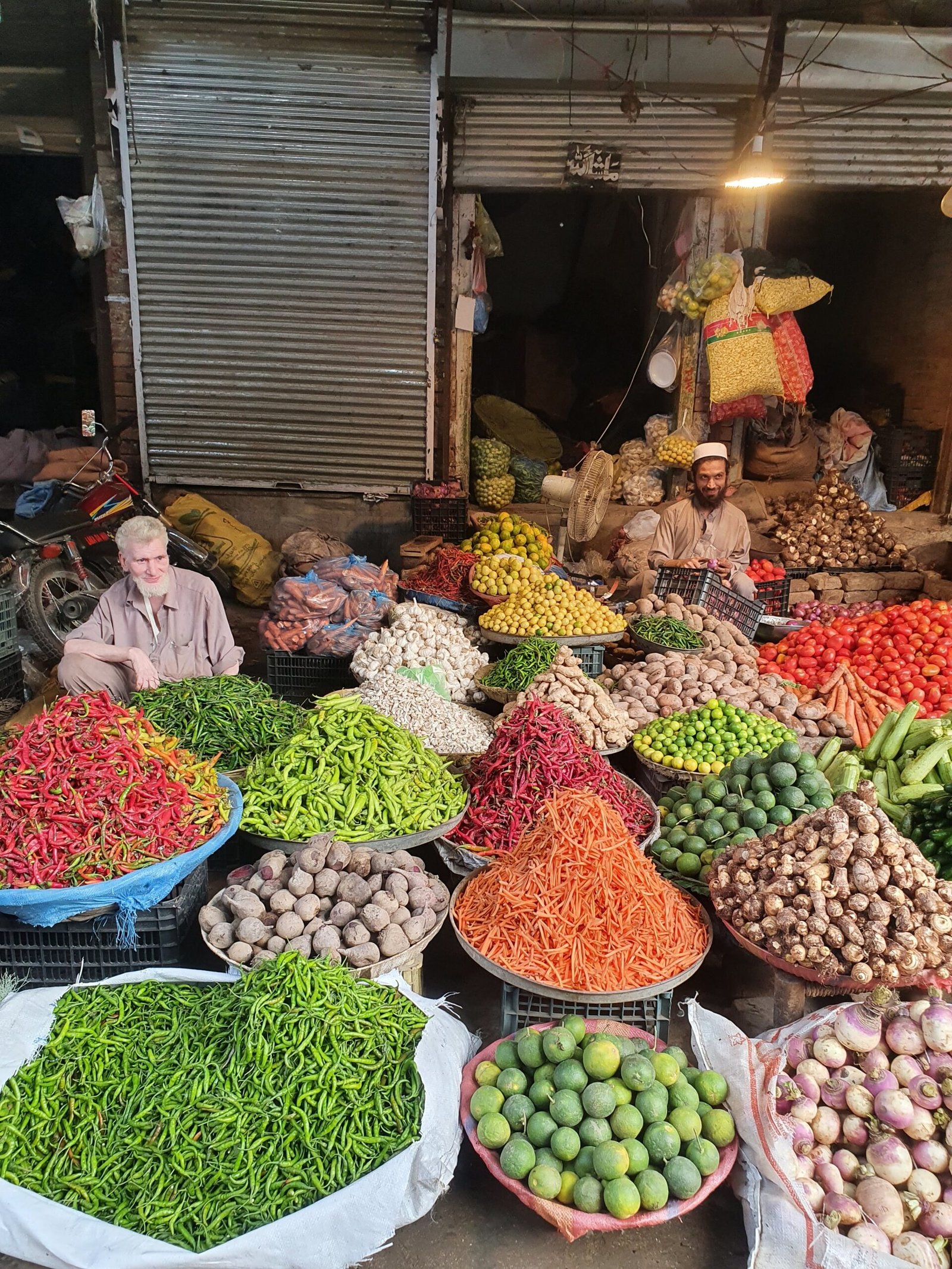
Begin the tour in the historic Qissa Khwani Bazaar, one of the city’s most famous traditional marketplaces. Historically associated with travelers, merchants and storytellers, the bazaar reflects Peshawar’s importance as a meeting point for different cultures and trading communities.
Walk through the busy lanes, observe traditional shops and experience the everyday life of the old city. If time permits, enjoy a cup of local green tea, known as kehwa, at a traditional tea shop.
Duration: 25–35 minutes
Continue to the historic Mahabat Khan Mosque, a prominent Mughal-era monument in the old walled city. Examine its elegant façade, minarets, spacious courtyard and decorative architectural details.
As this is an active place of worship, visitors should dress modestly, remove their shoes where required and avoid interrupting prayers. Interior access and photography depend on local arrangements.
Duration: 15–20 minutes
Visit the iconic Cunningham Clock Tower, a landmark of colonial-era Peshawar. Built around the turn of the 20th century, the tower stands amid the old city’s lively commercial streets.
Take photographs of the tower and surrounding historic streets, and learn about the city’s development during British rule. This stop also provides a convenient starting point for exploring the nearby cultural heritage trail.
Duration: 20–30 minutes
Explore Chowk Yadgar and the surrounding traditional streets. This historic square and commercial district offer a glimpse into the old city’s trading culture, local craftsmanship and architectural character.
Walk through Bazaar-e-Kalan, notice traditional shopfronts and carved wooden details, and learn how Peshawar’s bazaars connected merchants traveling between South Asia and Central Asia.
Duration: 45–60 minutes
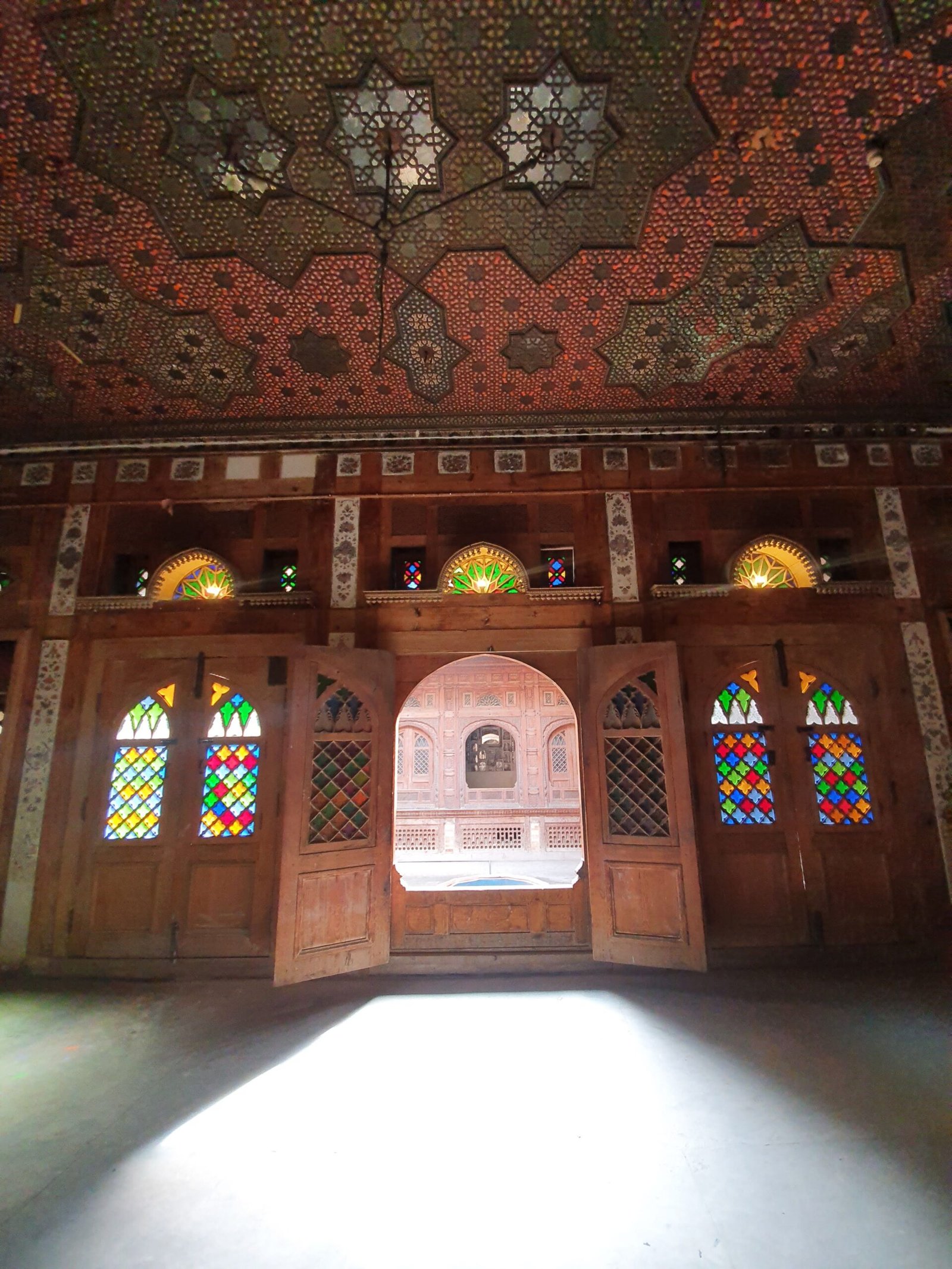
Discover Sethi House Museum in Sethi Mohalla, one of the most distinctive heritage attractions in Peshawar. The historic merchant residence reflects the wealth and international commercial connections of the Sethi family during the 19th century.
Explore its intricately carved wooden doors, decorated ceilings, coloured glass, central courtyard and traditional ventilation features. The house offers an excellent opportunity to understand historic domestic architecture and the cultural influences that shaped Peshawar.
Photography and access to individual rooms may depend on the site’s current rules.
Duration: 30–40 minutes
Continue along the old-city heritage route to Gor Khatri, a historic walled complex associated with Mughal-era caravanserais, later periods of Sikh rule and archaeological discoveries.
Walk through the main courtyard, appreciate the historic gateways and explore the site’s visible heritage features. If open, visit the small museum or archaeological displays to learn more about Peshawar’s long history.
Allow extra time if archaeological sections or exhibitions are accessible during your visit.
Duration: 45–60 minutes
Enjoy lunch at a suitable local restaurant, with an opportunity to sample Peshawar’s celebrated cuisine.
Recommended dishes include chapli kebab, lamb or chicken karahi, fresh naan, raita and seasonal salads. Visitors who prefer lighter food can choose grilled meat, rice or vegetarian dishes.
This is a good time to experience the city’s hospitality and discuss local food traditions with your guide.
Duration: 60–90 minutes
After lunch, travel to Peshawar Museum, a major cultural institution housed in a distinctive historic building in Saddar.
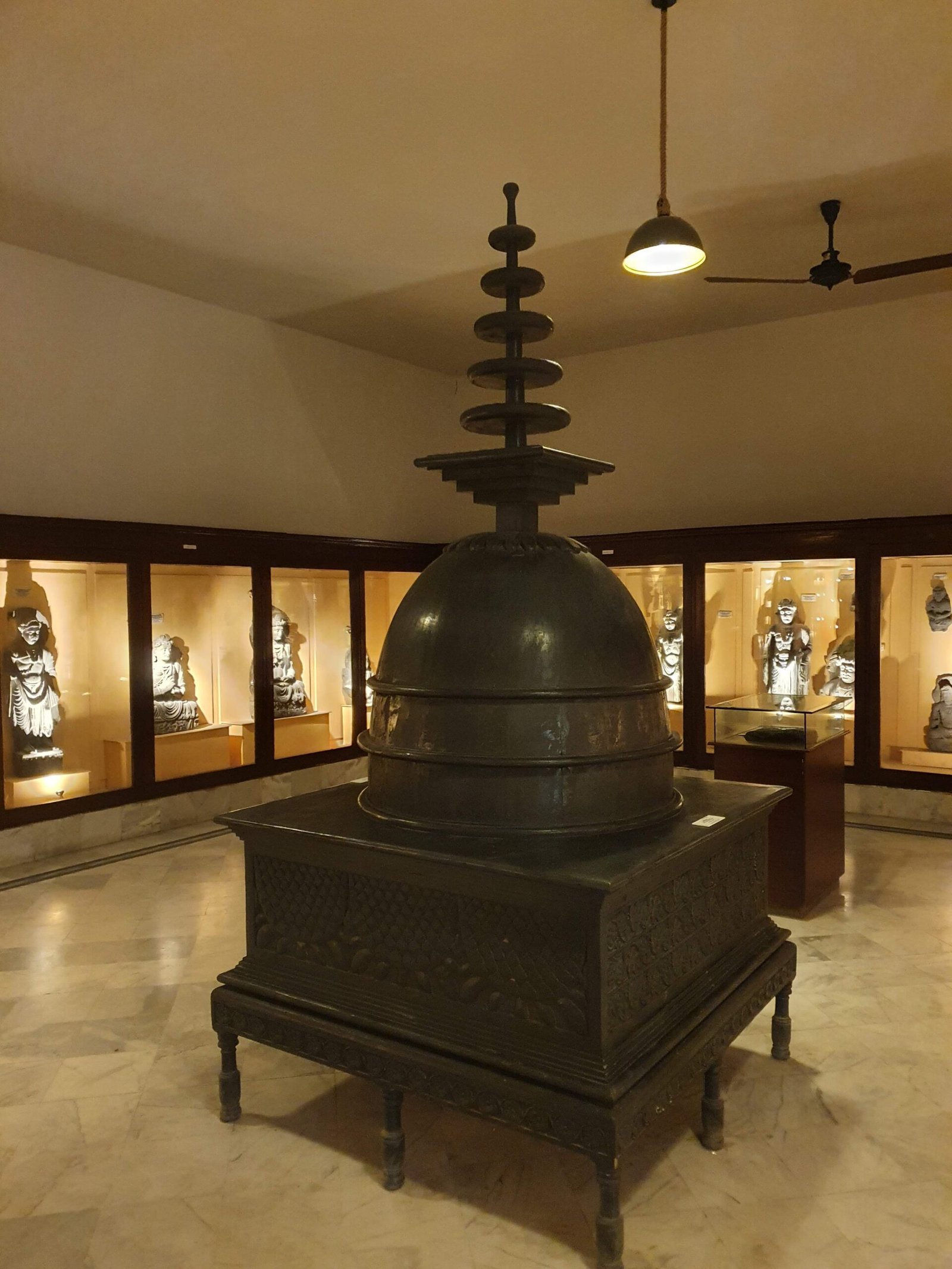
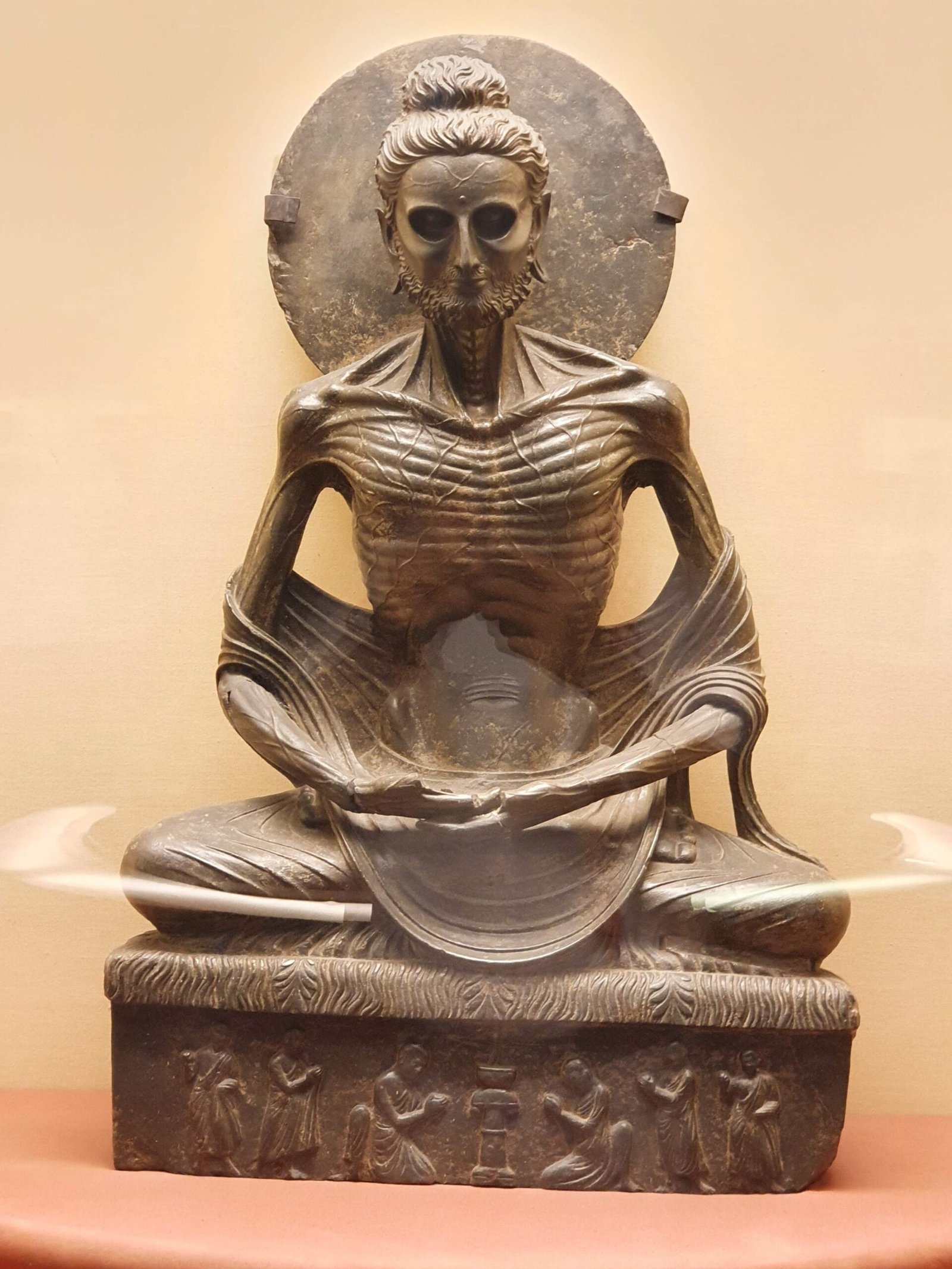
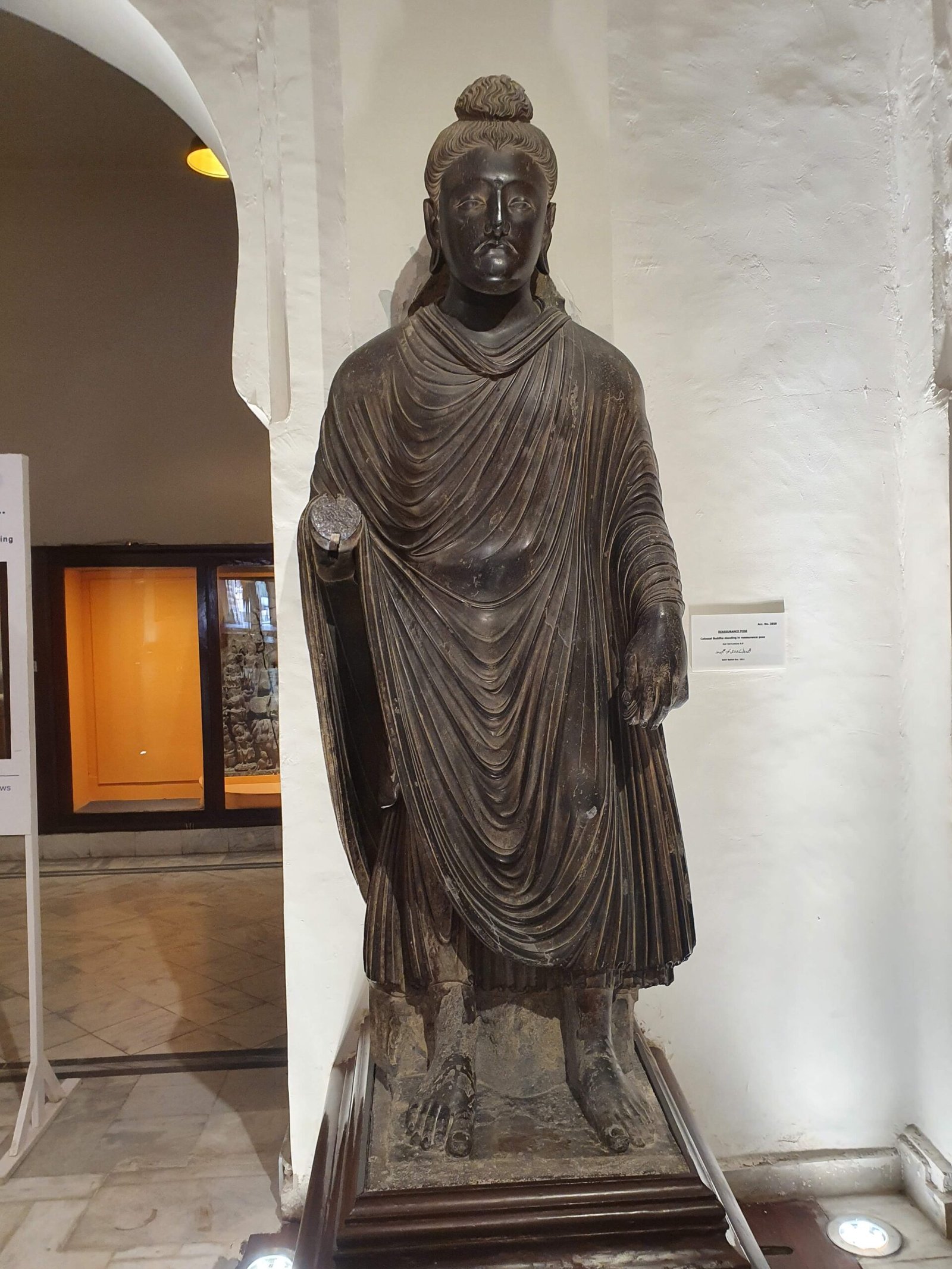
The museum is particularly renowned for its Gandhara collection, including Buddhist sculptures and objects that illustrate the artistic and religious traditions of the ancient region. Other collections provide insight into the Islamic period, coins, manuscripts and the broader history of the region.
Take time to study the sculptures, learn about Gandhara’s artistic connections with the wider ancient world, and appreciate the museum’s architectural setting.
Important: Museum hours and last-entry arrangements can change. Confirm opening hours before finalizing the tour, particularly if you are visiting on a Friday or public holiday.
Duration: 40–50 minutes
Proceed to the University of Peshawar, an established institution of higher education that plays an important role in the academic and intellectual life of the province.
Explore permitted parts of the campus, observe its academic buildings and green spaces, and learn about its contribution to education, research and regional cultural studies. The visit provides a contrast to the historic bazaars and archaeological sites explored earlier in the day.
Entry to individual departments, libraries and restricted areas is subject to university permission. If access is unavailable, enjoy a brief exterior visit instead.
Duration: 25–35 minutes
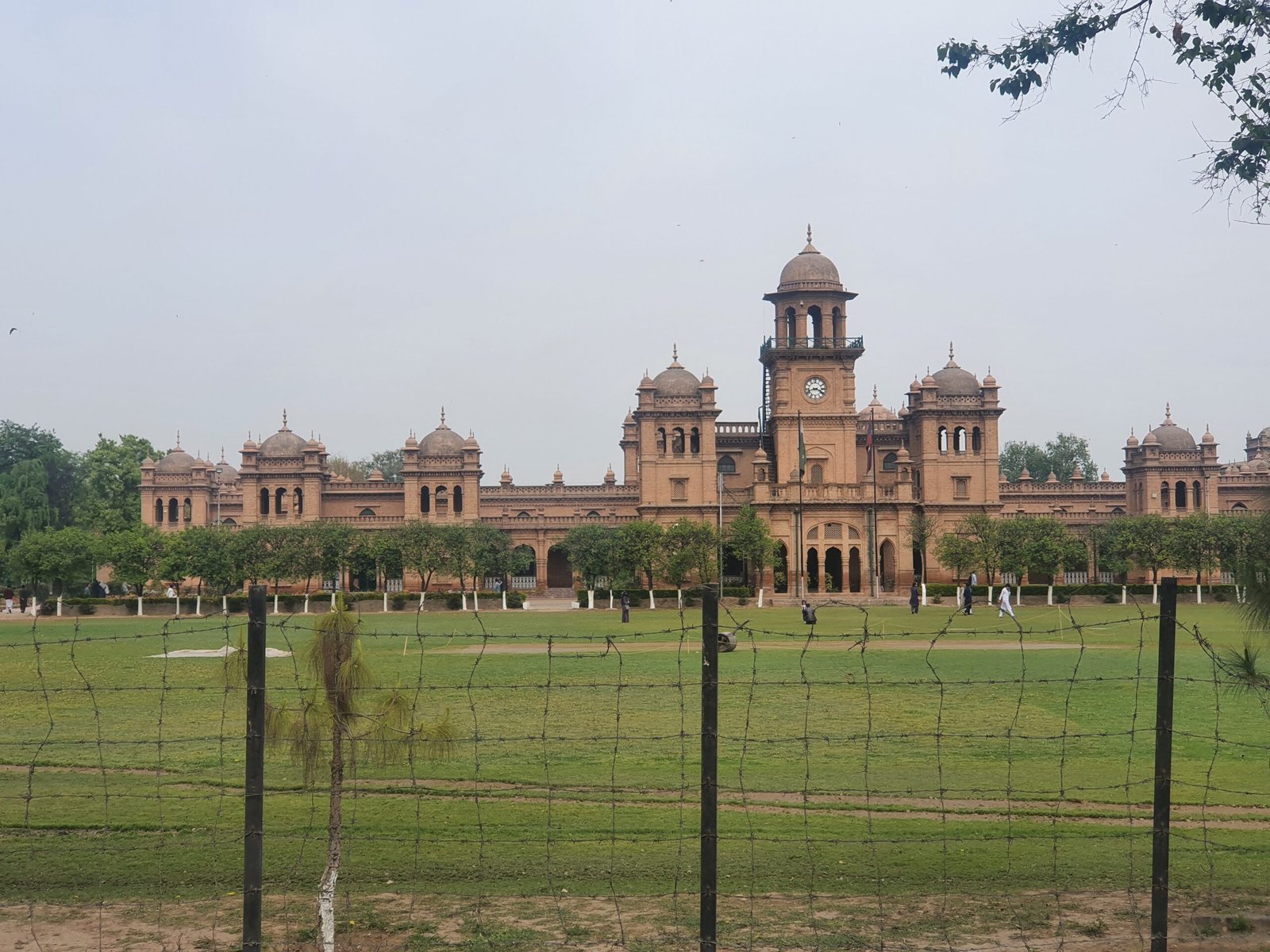
If time, traffic and campus access allow, add Islamia College University as a final architectural stop.
Known for its historic educational legacy and distinctive Indo-Islamic architectural character, the institution offers an additional perspective on Peshawar’s educational heritage. Visitors can admire the exterior and grounds from areas open to the public.
This is an optional addition; skip it if the museum visit runs late or campus access is restricted.